
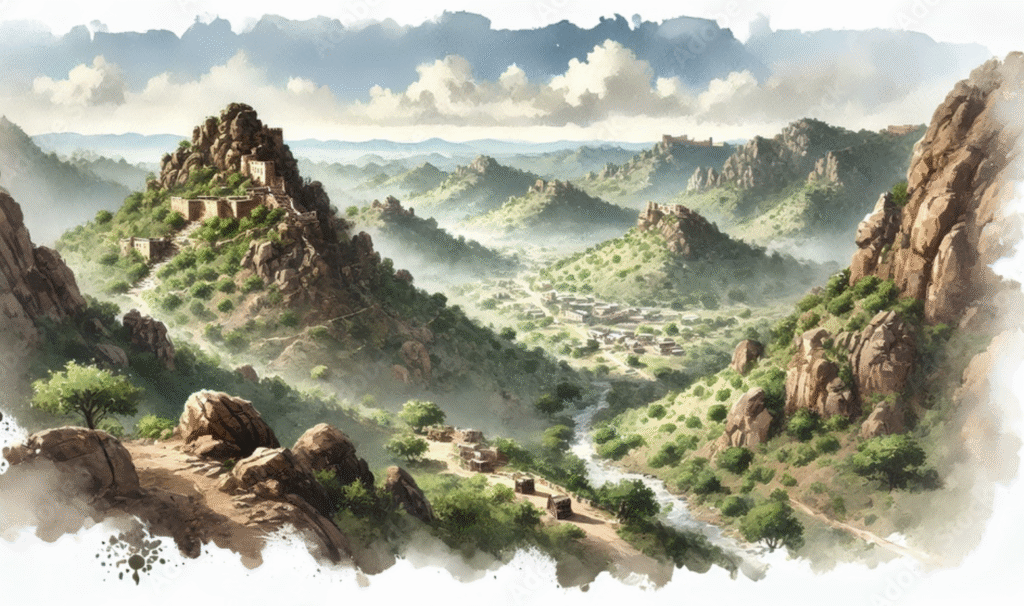
The Aravalli Hills: A Lifeline for North India
The Aravalli Range is one of the oldest mountain ranges in the world, stretching across Gujarat, Rajasthan, Haryana, and Delhi. Formed billions of years ago, the Aravalli Hills are not just a geological wonder but also a crucial natural system that supports life, climate, and biodiversity in northern and western India.
Advantages of the Aravalli Hills
- Climate Regulation
The Aravallis act as a natural barrier against the spread of the Thar Desert. They help regulate temperature and slow down desertification, making surrounding regions habitable. - Water Conservation and Groundwater Recharge
These hills play a vital role in capturing rainwater. Forests, rocks, and soil in the Aravallis help recharge groundwater, supporting rivers, lakes, and wells in Rajasthan, Haryana, and Delhi. - Biodiversity Hotspot
The Aravalli ecosystem is home to numerous species of plants, birds, reptiles, and mammals, including leopards, hyenas, jackals, and many medicinal plants. This biodiversity maintains ecological balance. - Air Purification
The forests of the Aravallis act as the “green lungs” for nearby cities, especially Delhi and NCR. They absorb pollutants, reduce dust storms, and improve air quality. - Livelihood Support
Local communities depend on the Aravallis for agriculture, grazing, forest produce, and eco-tourism. The hills support rural economies and traditional ways of life.
Why the Aravalli Hills Are Indispensable for Humans
Human survival is closely linked to the health of the Aravalli Range. Without these hills:
- Desertification would rapidly expand eastward.
- Groundwater levels would fall sharply.
- Heatwaves, dust storms, and air pollution would intensify.
- Wildlife habitats would be destroyed, disturbing ecological balance.
- Cities like Delhi would become far more vulnerable to climate extremes.
In essence, the Aravallis protect food security, water availability, clean air, and climate stability for millions of people.
Why We Must Save the Aravalli Hills
Today, the Aravalli Range faces severe threats from illegal mining, deforestation, urban expansion, and pollution. If this destruction continues, the damage will be irreversible.
Saving the Aravallis is not just about protecting hills—it is about protecting our future. Strong laws, strict enforcement, afforestation, sustainable development, and public awareness are essential to conserve this ancient natural shield.
Conclusion
The Aravalli Hills are a priceless natural heritage and a silent guardian of human life in North India. Preserving them is our collective responsibility. By saving the Aravallis today, we ensure a healthier environment, stable climate, and sustainable future for generations to come.
Explore the world with us